
Nongshim RedForce beat T1 in the KeSPA Cup group stage
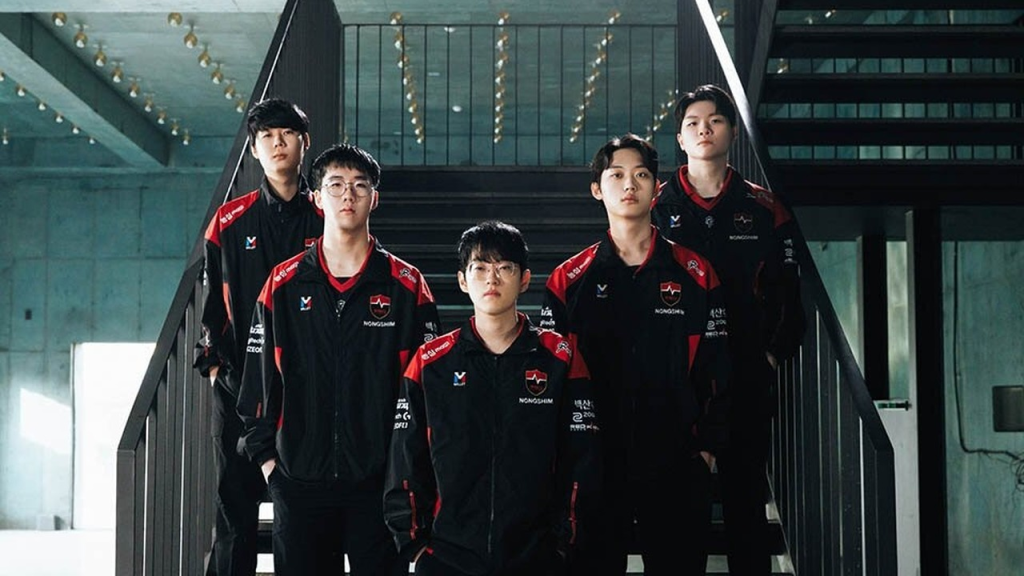
Nongshim RedForce defeated T1 in the KeSPA Cup group stage. The game lasted 39 minutes and contained frequent team fights. T1 collected more kills, but Nongshim destroyed the nexus after the last fight.
Diable received the player of the match award after a strong Jhin game. He finished with nine kills and took part in 21 takedowns. Nongshim ended the contest with a narrow tower advantage.
T1 find kills without full control
T1 played the early lanes with confidence and found repeated fights. Their total kill count climbed faster than Nongshim’s. The kill lead did not secure every dragon, tower, or Baron.
Nongshim kept enough towers standing to defend every lane. They avoided losing the whole base during T1’s strongest periods. The remaining towers gave Nongshim time to recover from T1’s lead.
T1 reached 32 kills before the game ended. Nongshim finished with 25 but used the final group more effectively. The last successful fight mattered more than the earlier total.
Both teams repeatedly exchanged kills around the central lanes. Those exchanges stopped either side from creating a clean long push. Death timers became more important as the game passed 30 minutes.
The score remained dangerous because both bases had taken damage. One lost fight could expose several structures at once. Nongshim reached that opportunity during the final phase.
Diable keeps Nongshim’s damage steady
Diable used Jhin as Nongshim’s most reliable ranged damage source. He stayed behind the front line during crowded team fights. That spacing allowed him to continue firing after the first engagement.
His final score included nine kills, two deaths and 12 assists. The low death count protected Nongshim’s damage during key moments. It also reduced the time spent defending without their marksman.
Jhin’s long-range tools helped Nongshim start fights from safer positions. The team could slow an opponent before committing every champion. That control became useful when T1 tried to force narrow entrances.
Diable’s contribution extended beyond the final blow on each target. He joined most of Nongshim’s successful takedowns. The match award recognised consistent impact across the whole game.
T1 still reached him during several difficult exchanges. Nongshim responded by protecting the next fight more carefully. During the last fight, Jhin had enough space to attack safely.
Nongshim gain more value from towers
Kill totals often show which team won more direct fights. They do not always show who controlled the most important lane. Nongshim finished with eight towers while T1 collected seven.
That one-tower advantage became important near the end. Nongshim had a shorter path toward the exposed enemy base. T1 needed more time to create the same pressure in return.
The teams also fought repeatedly around dragons and neutral monsters. Some battles produced kills without an immediate tower afterward. Nongshim gained more value from the sequence that decided the game.
The final push began before T1 could rebuild its full defence. Nongshim advanced through the lane with the fewest remaining defences. Their surviving champions had enough damage to complete the base attack.
The game stayed close despite T1’s higher kill total. Nongshim kept enough towers and controlled the final minion wave. That wave allowed the team to attack T1’s base.
| Winner | Nongshim RedForce |
|---|---|
| Opponent | T1 |
| Game time | 39 minutes |
| Player of the match | Diable |
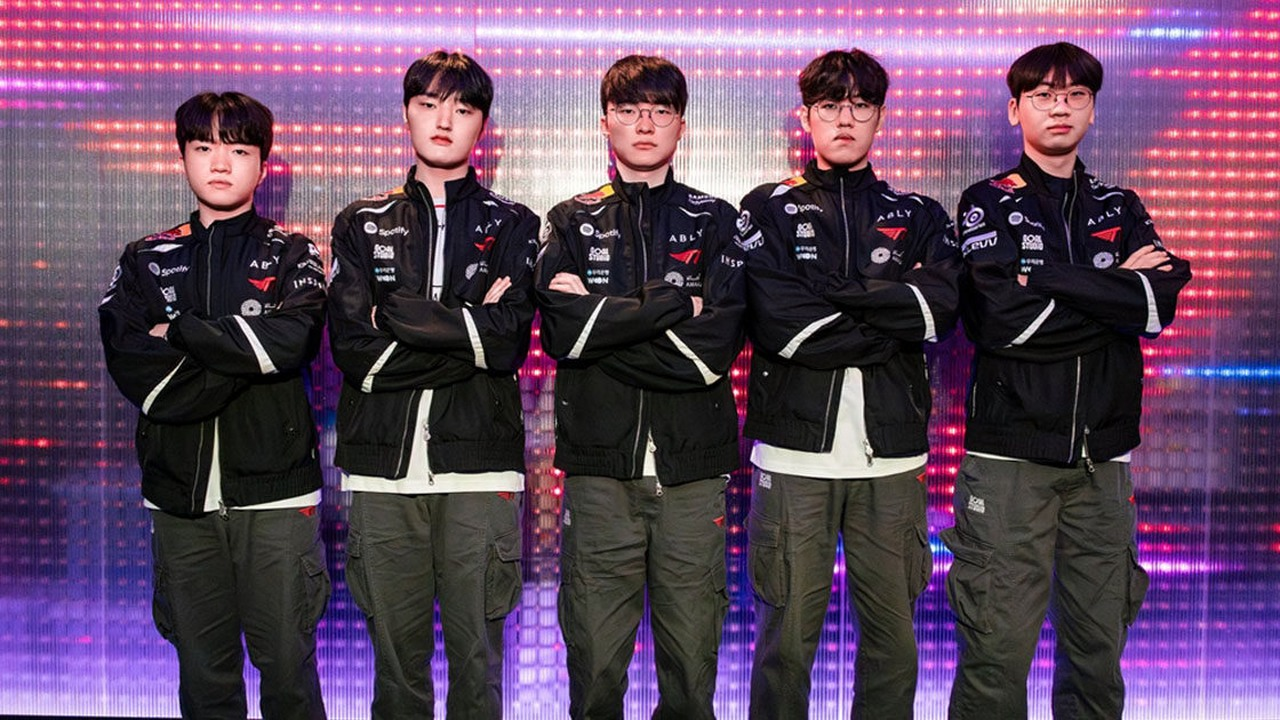
One group match adds an important win
The KeSPA Cup group stage uses short matches between leading Korean organisations. Every game contributes directly to the preliminary standings. A single late mistake may therefore change the group standings.
Nongshim earned the win against one of the tournament’s strongest names. T1 left with useful fight numbers but no match victory. Nongshim therefore added one victory to their group record.
The 39-minute contest tested both teams beyond the opening phase. Eliminated players stayed out longer, and both bases had lost towers. Nongshim used the final fight more effectively.
T1’s 32 kills underline how competitive the game remained. The map contained repeated team fights and 57 total kills. They survived repeated pressure before taking the final opportunity.
Diable and his teammates entered T1’s base after the final fight. They destroyed the nexus before T1’s players returned. Nongshim therefore completed an important KeSPA Cup win.
The kill lead never became a secure finish
T1 reached thirty-two kills during a game filled with skirmishes. Several victories happened away from a usable minion wave. The team could not always convert them into structures.
Nongshim lost more champions during several team fights. Surviving players cleared waves before T1 reached the base. That work limited the damage after several lost fights.
Long death timers made every late fight more important. One small fight could provide enough time for a complete push. Nongshim won one such fight near the end.
The tower count remained close throughout the final phase. Nongshim eventually moved ahead by one tower. That advantage left fewer defences in front of T1’s nexus.
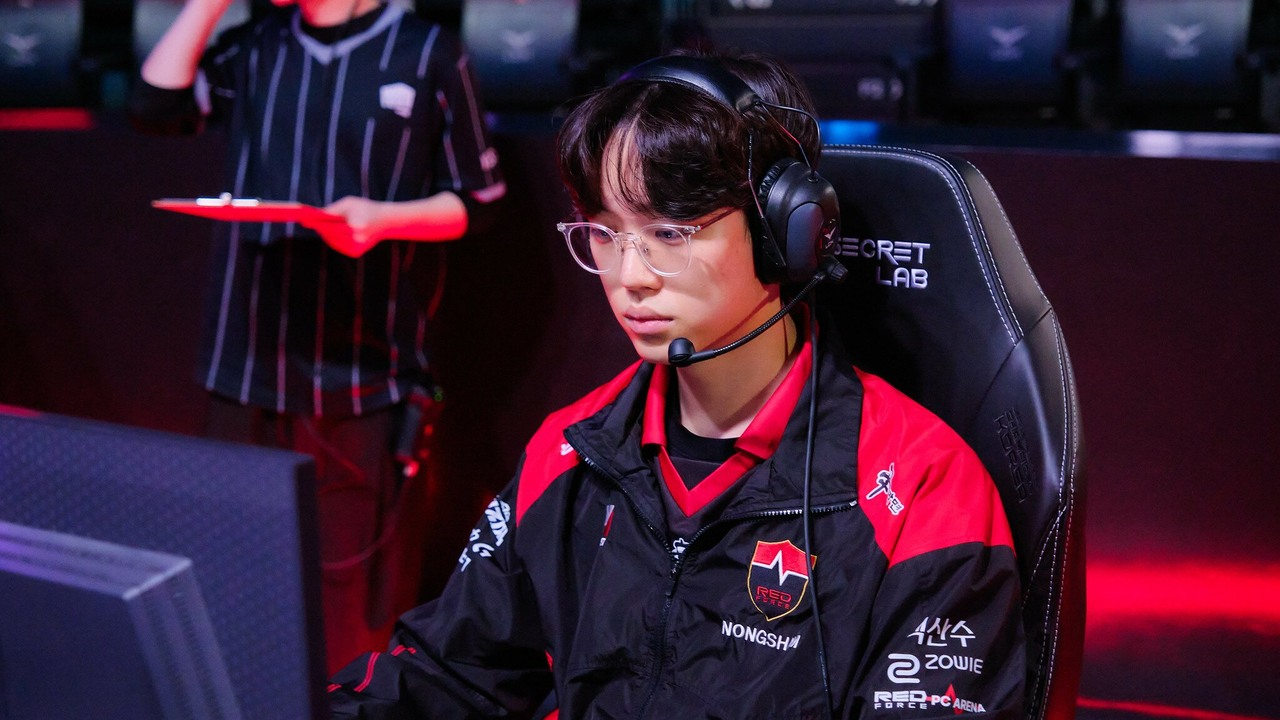
T1’s higher kill total still describes its repeated attacking threat. The defeat came from the final map sequence, not passive play. Nongshim survived long enough to reverse the pressure.
Diable stays alive in the main fights
Jhin fires four shots before reloading. Diable attacked from behind Nongshim’s front line. He stayed outside T1’s main initiation range.
His two deaths were low for such a fight-heavy game. That survival kept Nongshim’s damage available during late dragon and Baron fights. It also preserved stronger pushes after won fights.
Twelve assists show that he contributed before targets were finished. Long-range shots slowed opponents and started several exchanges. Teammates then followed after the first control landed.
The player award reflected impact across thirty-nine minutes. It did not depend only on the last base attack. Diable remained useful during Nongshim’s difficult periods.
Nongshim won the final fight and moved directly toward T1’s base. The team kept enough champions alive to continue the attack. T1 had no time to rebuild its full defence.
The final push settled a close structure count
Nongshim entered the last phase with one more destroyed tower. That small lead left a more direct lane toward T1’s base. The surviving players used it after the decisive fight.
T1 could not replace its fallen champions before the push arrived. Nongshim stayed together and attacked the remaining structures. The nexus fell before another defence could form.
The ending explains the difference between kills and victory. T1 won more individual exchanges across the game. Nongshim converted the final exchange into the match result.