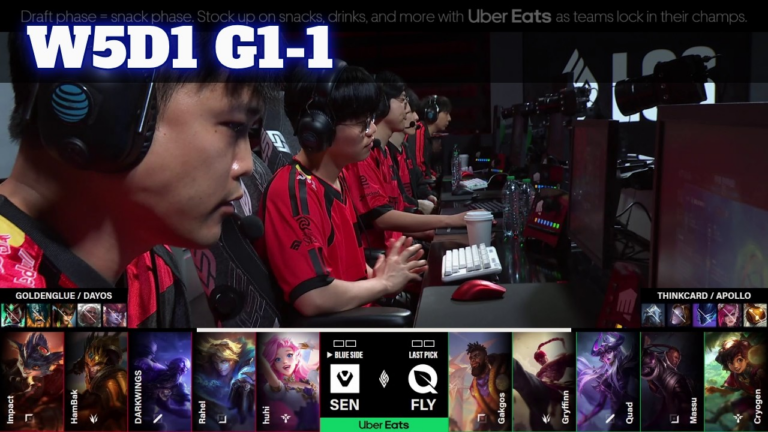

League Classic launches with sixty champions
League Classic launches with patch 26.15 and a separate ranked season. The mode includes sixty champions in older forms. It also restores historic items and a slower style of team play.
Ranked Season Three begins at noon in each server region. Aegis of Valor now rewards wins without reducing losses. Master players also regain limited access to duo queue.
Classic uses an older champion pool
The mode selects sixty champions from earlier periods of League. Their abilities follow historic versions chosen for this release. Modern updates to those champions do not automatically apply here.
A smaller pool changes preparation before each match. Players face fewer possible lane opponents and team combinations. Older ability sets also bring back forgotten strengths and limits. Some champions have simpler tools than their current versions. Others keep unusual mechanics removed during later reworks. The difference creates a separate learning process for experienced players.
Newer players meet designs from League’s earlier competitive history. Ability descriptions explain the version used by the mode. Knowledge from the live game remains useful but not complete.
The sixty selections cover every traditional team role. Tanks, fighters, mages and marksmen all appear. Support choices also include champions built around older item systems.
The roster remains fixed for the launch period. Riot published one ruleset for the opening season. The opening version gives every region the same starting rules.
Historic items return to the shop
League Classic restores several items removed from the main game. Heart of Gold is one familiar example. Its passive income supported slower purchases during earlier seasons.
Older item recipes change the value of early components. Players often return to base with different buying priorities. A small gold difference may alter an entire purchase.
Support characters once depended more heavily on passive income items. They received less direct gold from shared systems. Classic recreates part of that economic pressure.
Defensive items also follow older statistics and build paths. Their costs shape when a front-line champion becomes durable. Damage dealers face the same historic limits on penetration. The shop interface remains familiar despite the older catalogue. Search and recommended sections help locate available choices. Players still benefit from reading each complete item description.
A remembered item name does not guarantee identical current knowledge. Values may come from a selected point in League history. The live tooltip provides the correct version for the match.
Matches place more weight on preparation
Classic reduces several modern systems that accelerate early action. Lane resources and recall timing therefore matter more. A poor exchange may remain costly for several minutes. Vision follows rules associated with the older game. Teams invest gold and time to control important areas. Unseen movement becomes harder to track without planned ward placement.
| Champion pool | Sixty historic champion versions |
|---|---|
| Ranked start | Noon in each server region |
| Master duo queue | Available within the permitted rank distance |
| Aegis of Valor | Double points from wins without loss protection |
Neutral monsters provide shared rewards and map pressure. Their older values change the timing of team fights. Players cannot assume every modern spawn pattern applies.

Mechanical skill still decides many direct fights. The mode also rewards patient lane control and resource planning. Those elements explain the developers’ emphasis on strategy.
Team compositions develop around the limited champion and item pool. Some combinations offer reliable front-line protection. Others depend on range, split pressure or rapid engagement.
The mode does not copy one old tournament season perfectly. It combines selected historic elements into a playable release. That approach keeps the experience separate from a museum copy.
Ranked Season Three begins locally
The new ranked season begins at noon by server time. Regional launches therefore happen at different moments. Players enter the queue after their own server opens.
Ranks track progress inside the Classic environment. Results from the main League queue remain separate. The mode therefore creates its own competitive ladder.
Master players may again join with one partner. The permitted rank distance still applies to both accounts. Grandmaster and Challenger players still queue alone. The change restores coordinated play at the lower elite tier. It also keeps the highest ranks under stricter solo conditions. Matchmaking rules continue to consider queue population.
Placement and progression depend on wins and losses. Early games establish a player’s starting path. A longer sample gives the ladder more reliable information.
Season timing gives every region a clear competitive start. No team receives permanent progress before another server opens. Each ladder still develops around its local player base.
Aegis of Valor changes its reward
Aegis of Valor now activates after qualifying wins. The reward doubles the league points gained from that victory. It no longer reduces points lost after a defeat.
The system also removes a minimum mastery requirement. Eligible players receive the reward through match results. Champion history no longer blocks the bonus.
A win-based reward is easier to understand on the ladder. The bonus appears after a successful match. A later defeat follows the normal loss calculation.
The change avoids turning the feature into permanent protection. Players still lose points when their team loses. The Aegis simply increases progress from selected wins.
Classic launches with these ranked rules already active. Players do not begin under the previous version. The patch notes provide the same conditions for every server. The complete release combines old game systems with current matchmaking tools. Sixty champions and historic items shape the matches. Ranked points still determine each player’s ladder position.