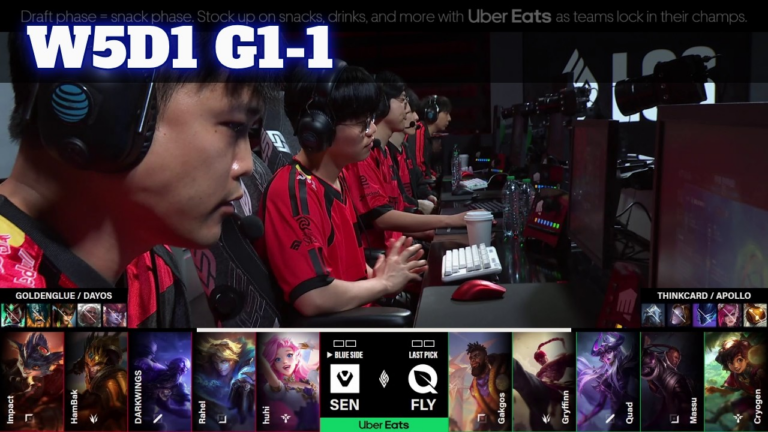

LCP viewership falls sharply in 2026

The League of Legends Championship Pacific, or LCP, is facing a steep viewership decline in the latest figures cited by Esports.net. Esports Charts data cited in the report puts the league’s peak audience at 174,000, down from 483,000, a 64% fall. Average concurrent viewership also declined from 81,000 to 50,700, while total hours watched fell by 38%. For a newly rebranded regional league, the scale of the change is the central concern: the LCP’s top audience has dropped by nearly two-thirds in a single year.
The report centers on the LCP rather than an individual match or a single team result. It describes a 2026 slide after the league’s 2025 high-water mark, while presenting several community discussions around the figures. Those discussions include the retirement of Do “Levi” Khanh, English-broadcast production complaints and concerns raised by some viewers about competitive credibility. None of those fan explanations is established in the source as the confirmed cause of the viewership decline. What is confirmed is the audience movement in the cited data, and that movement gives the debate around the Pacific circuit a clear factual starting point.

The reported LCP audience change
The largest reported change is at peak viewership. The LCP went from 483,000 peak viewers to 174,000, according to the latest Esports Charts data cited by Esports.net. That 64% decline is not limited to one headline metric: average concurrent viewers moved from 81,000 to 50,700, and total hours watched were down 38%. Taken together, the figures show lower maximum reach, a smaller average live audience and less viewing time overall. The source characterizes the decline as a difficult development for a recently rebranded regional league, particularly because the comparison is against the prior year’s stronger level.
The available numbers also help separate what is measured from what is debated. Peak viewers describe the highest simultaneous audience reached, whereas average concurrent viewers describe the typical live audience across the coverage. Hours watched provide another view by measuring accumulated viewing time. Each reported indicator moved downward in the cited comparison. That does not by itself identify why the audience changed, but it does show that the issue is broader than a single isolated peak. The reported 2026 downturn is therefore the confirmed competitive-event development; the online arguments described by the source remain reactions and proposed explanations rather than verified findings.
Community debate follows Levi’s retirement
A major thread in the community response described by Esports.net concerns Levi, the Vietnamese jungler Do “Levi” Khanh. The report says GAM Esports had served as a primary content engine for the region and that its dominance began to fade after Levi retired. Some fans connect that sequence to a loss of casual viewers, making the retirement a prominent part of the conversation around the LCP’s audience figures. The source also says viewers have criticized the English broadcast after Vestion and panda stepped away, pointing to two-person casts handling play-by-play, color commentary and post-game analysis for extended periods. These are reported community complaints, not confirmed explanations for the statistical decline.
- Reported viewership change: peak audience fell from 483,000 to 174,000, while average concurrent viewers declined from 81,000 to 50,700.
- Reported discussion points: fans cited Levi’s retirement, GAM Esports’ fading dominance and concerns about a reduced English-broadcast setup.
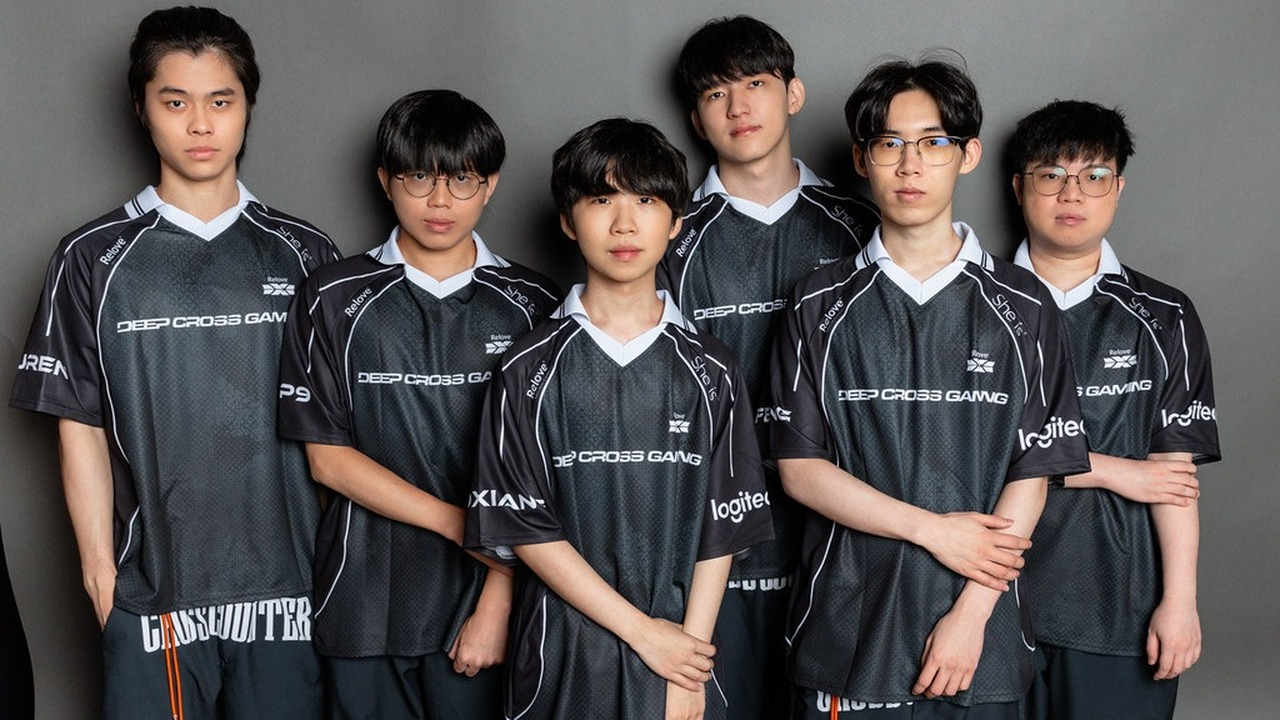
| Reported metric | Cited LCP change |
|---|---|
| Peak viewership | 483,000 to 174,000, a 64% drop |
| Average concurrent viewers | 81,000 to 50,700 |
| Total hours watched | Down 38% |
The confirmed result is a sharp LCP audience decline across the viewership measures cited by Esports.net, with the league’s peak falling from 483,000 to 174,000. Levi’s retirement, broadcast complaints and other online theories explain why the numbers have drawn attention, but the source does not confirm any one of them as the cause. The immediate picture is a Pacific league attempting to recover from a 2026 slide below its stated 2025 high-water mark.